
Mining & production management
Safer shifts. More tonnes. Lower cost per tonne.
M2M has looked after mining fleets since our first Newmont contract in 2009, managing equipment, assets and personnel on major African mine sites. Three outcomes, one platform: improve and maintain safety, improve and maintain production, and manage operating costs.
Production monitoring in the field
Every load, every cycle, every truck in the pit.
Haul trucks, shovels and crews report position, payload and status in real time, so production is managed on live numbers rather than end-of-shift estimates.
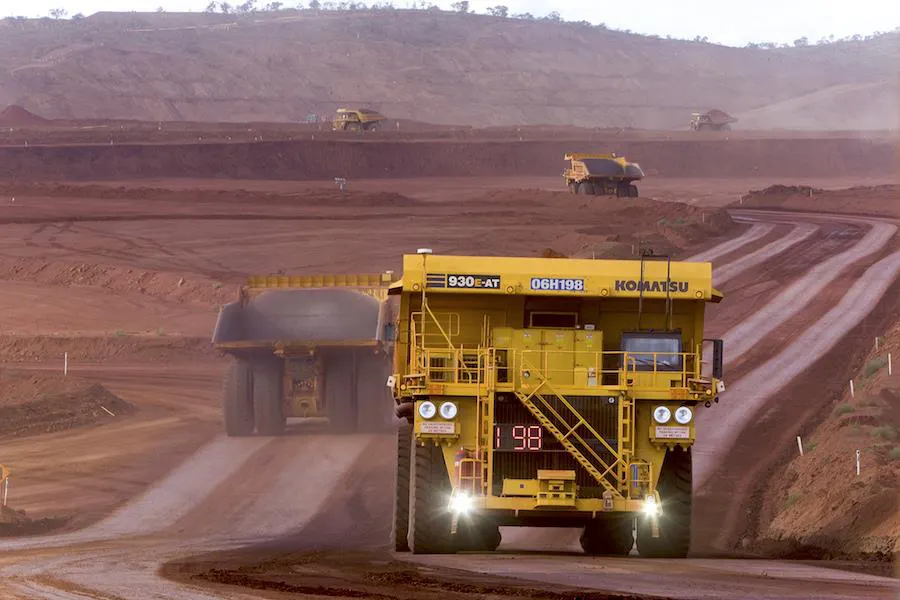 Live · Load and haul
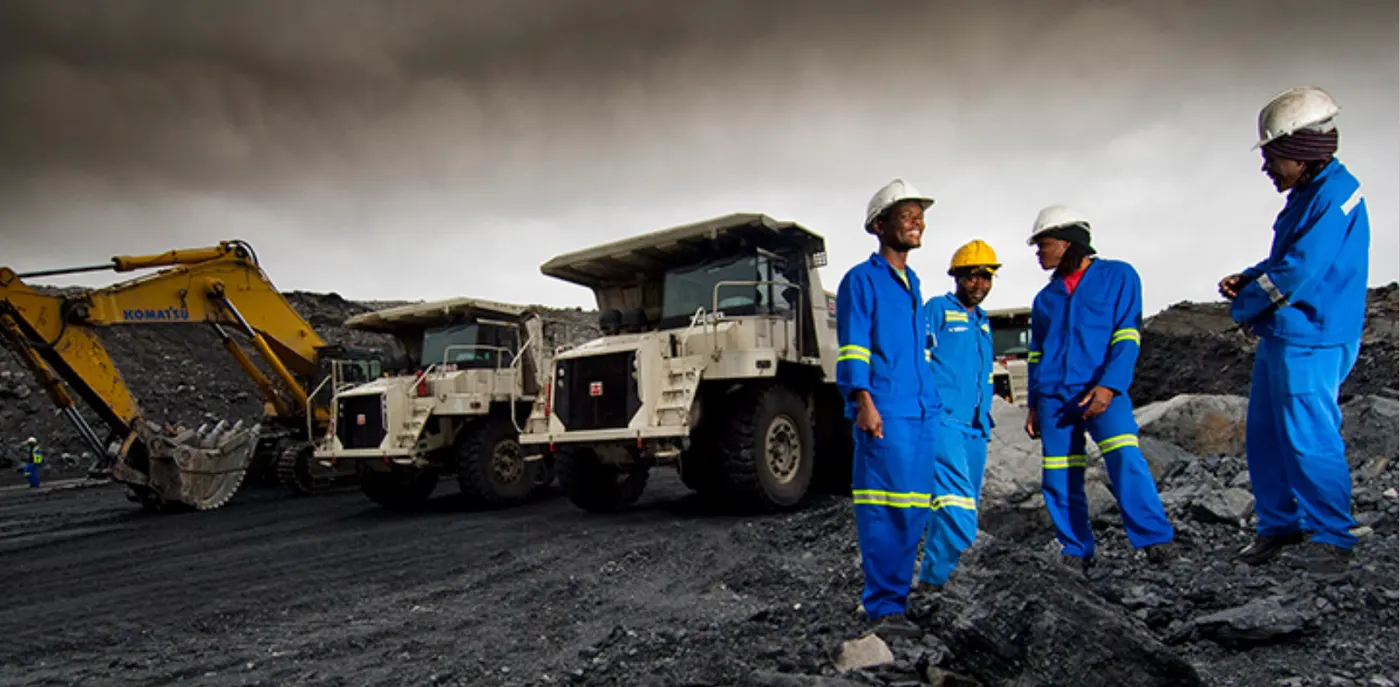 Safety · Personnel
Safety
Controls that are enforced by the machine, not by a memo.
Measures implemented on numerous open-cast operations across Africa.
Breath-alcohol interlocks
Prevent machine operation if the operator is intoxicated. Result logged against the driver ID.
AI fatigue & behaviour cameras
In-cab DMS warns on fatigue, distraction and phone use; blind-spot cameras protect light vehicles and pedestrians around haul trucks.
Brake-test confirmation
Brake test must be completed and confirmed before the truck is allowed to enter the pit.
Blast boxes
Ruggedised tablets confirm all personnel and equipment are at a safe distance before the blast is authorised.
Personnel visibility
High-visibility vests carry small personal trackers so every person on site is accounted for.
Haul-truck speed management
Zone-based limits with in-cab warnings, speed-control relays and real-time notification of adverse events.
Why it matters
Most pit incidents start in a blind spot or a skipped check.
Blind-spot cameras, proximity alerts and enforced pre-start checks target the two risks behind many open-pit incidents.
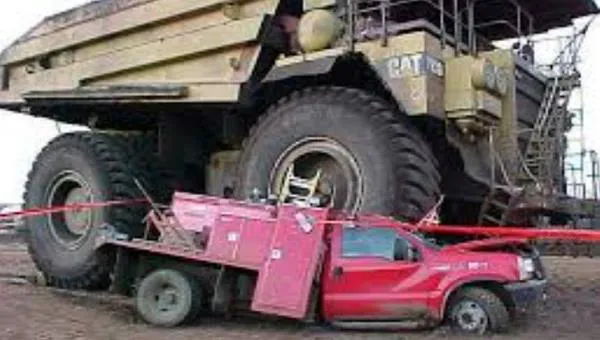 Risk · Blind spot
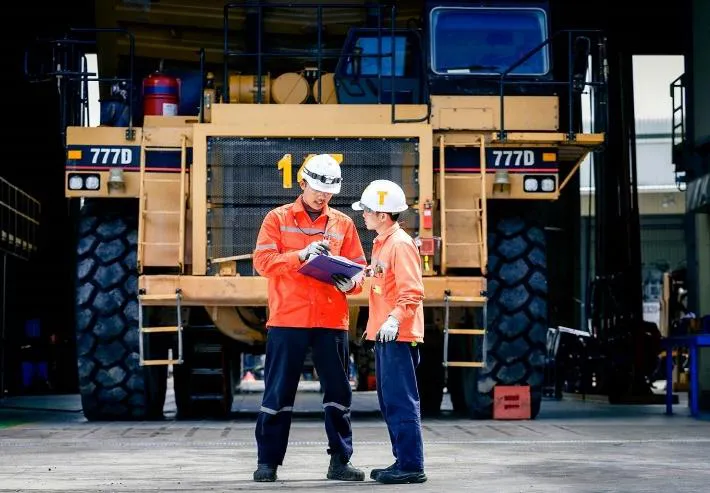 Safety · Pre-start
Production
Load & haul analytics with real-time dashboards.
- ✓Tonnage moved in real timePer truck, per shovel, per shift, with asset utilisation and minimised idling.
- ✓Payload weighingOnboard weighing confirms the tonnes carried on every load and flags under- or overloading.
- ✓Cycle-time improvementAnalyse and compare shift production, time lost at shift change, operator idling and queuing at shovels or tip points.
- ✓DispatchRugged mobile data terminals with real-time truck dispatch, over-speed warnings and route schedules.
- ✓Engine protectionIntegration with engine-protection hardware and maintenance alerts on engine hours.
Operating costs
Analyse, report and prevent.
- ✓Asset utilisationCompare against fleet averages, spot under-used equipment.
- ✓Engine hours & maintenance alertsService on condition, not on guesswork.
- ✓Fuel consumption & idlingSensor-grade fuel data with AI anomaly detection.
- ✓Theft preventionFuel, battery and equipment theft alerts with video evidence.
Built for the pit
Open areas with no 3G/4G? No real-time navigation? Solved.
Wi-Fi offload
Alarm video and snapshots upload automatically when trucks pass Wi-Fi hotspots at the workshop or fuel bay.
Hub-to-hub relay
Devices pass data between each other until one reaches the network, so nothing is lost in the pit.
Satellite fallback
Satellite adaptors keep dispatch and critical alarms flowing on the most remote sites.
Rugged by default
Anti-vibration, water- and dust-proof MDVRs with SSD storage and explosion-proof camera options.
Questions
Common questions.
Which mines use M2M systems?
Newmont (Ahafo South, Ahafo North, Akyem and Suriname), AngloGold Ashanti (Iduapriem), Gold Fields (Tarkwa and Damang), Glencore (Kamoto Copper Company and Mutanda), Nordgold (Lefa), Kinross (Tasiast) and Perseus Mining (Ghana, Ivory Coast and Tanzania).
What safety controls are available for open-pit mines?
Breath-alcohol interlocks, AI fatigue and behaviour cameras, brake-test confirmation before pit entry, blast boxes, personal trackers in high-visibility vests, zone-based haul-truck speed management and blind-spot cameras.
How long has M2M worked with mines?
Since 2009, when M2M signed its first mining contract with Newmont in Ghana. That is 17 years of looking after mining fleets.